
Social: Communicate Well
Communication is Number One of the Skills Employers Want, and also vital to the relationships in our personal life. To learn how to communicate well, explore these links to online courses, videos, and other resources to master the skill of communication.
I will dedicate _____ (time) every day this week to learn about the communication process, and practice the skills.
More Resources:
- Communication process at Don Clark Leadership
- Communication at Mindtools
- How to Improve Communication at Free Management Library
- Workplace Communication at gcflearnfree.org
- Express Emotions with I Statements
- Communication Skills at the Daily PlanIt Wiki
- The Communication Process at the Daily PlanIt Shop.
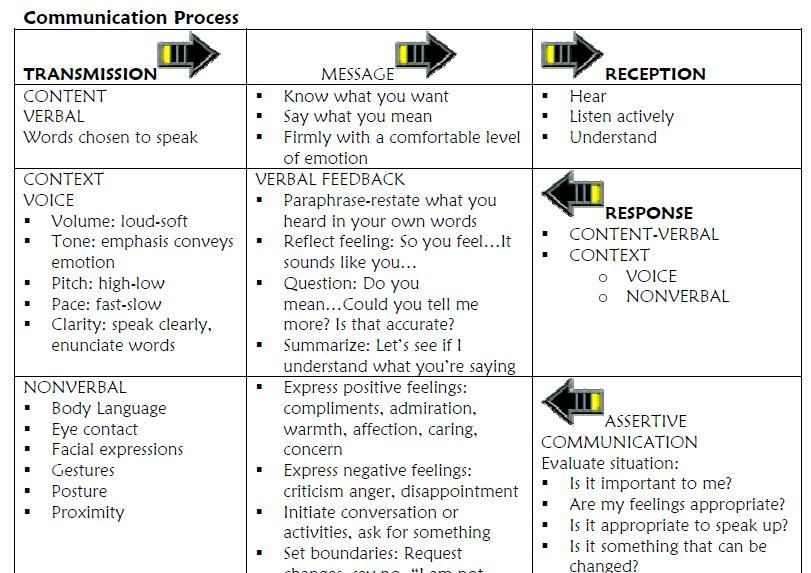
This is one of the weekly activities for a Year of Personal Development. Learn more about the communication process at Skills Employers Want: #1 Communication.
Learn more at Listening Skills, Conversation Bingo at A Networking Game Card, and Cultivating Relationships.
See also the Daily PlanIt Youtube playlist on Communication | Daily PlanIt Pinterest board on Communication

I seek to create order from the chaos of complex information. Join me at the Daily PlanIt to gain insights, inspiration, and information to increase skills for a better life. I unlock the power of teaching reading with phonics in the pursuit of literacy at www.phonicspow.com. In my spare time I explore books and movies, often choosing titles available on both screen and page.


 Daily PlanIt
[…] Communicate well […]
[…] post on communication was part of the Year of Personal Development series at the Daily […]
[…] Communicate Well, and Skills Employers Want: #1 […]
[…] Communicate and converse. Communication is key, especially listening. • Act lovingly and authentically. Use the love language that speaks […]
[…] Skills include people skills like Communication, Goal Setting, and Time Management. At the Daily PlanIt Development Center: Communication, Goal […]
[…] really mean? Learn more at Don’t Wait, Relate, Develop a Support System, Making Connections, Communicate Well, and with Smart Skills Trading Cards on Relationships. Making Good Friends at […]
[…] a support system, use conversation starters, practice the love languages, and plan some fun. Communication is key, especially […]
[…] Connection- positive relationships add to a sense of belonging: caring managers, co-workers, and communication […]
[…] Kind words and compliments. A sincere compliment is a great way to uplift others. Learn about emotional intelligence and how to communicate well. […]
[…] To be impeccable with your word is one of the Four Agreements. Know how to think rationally and communicate well. Speak up to share your thoughts and […]